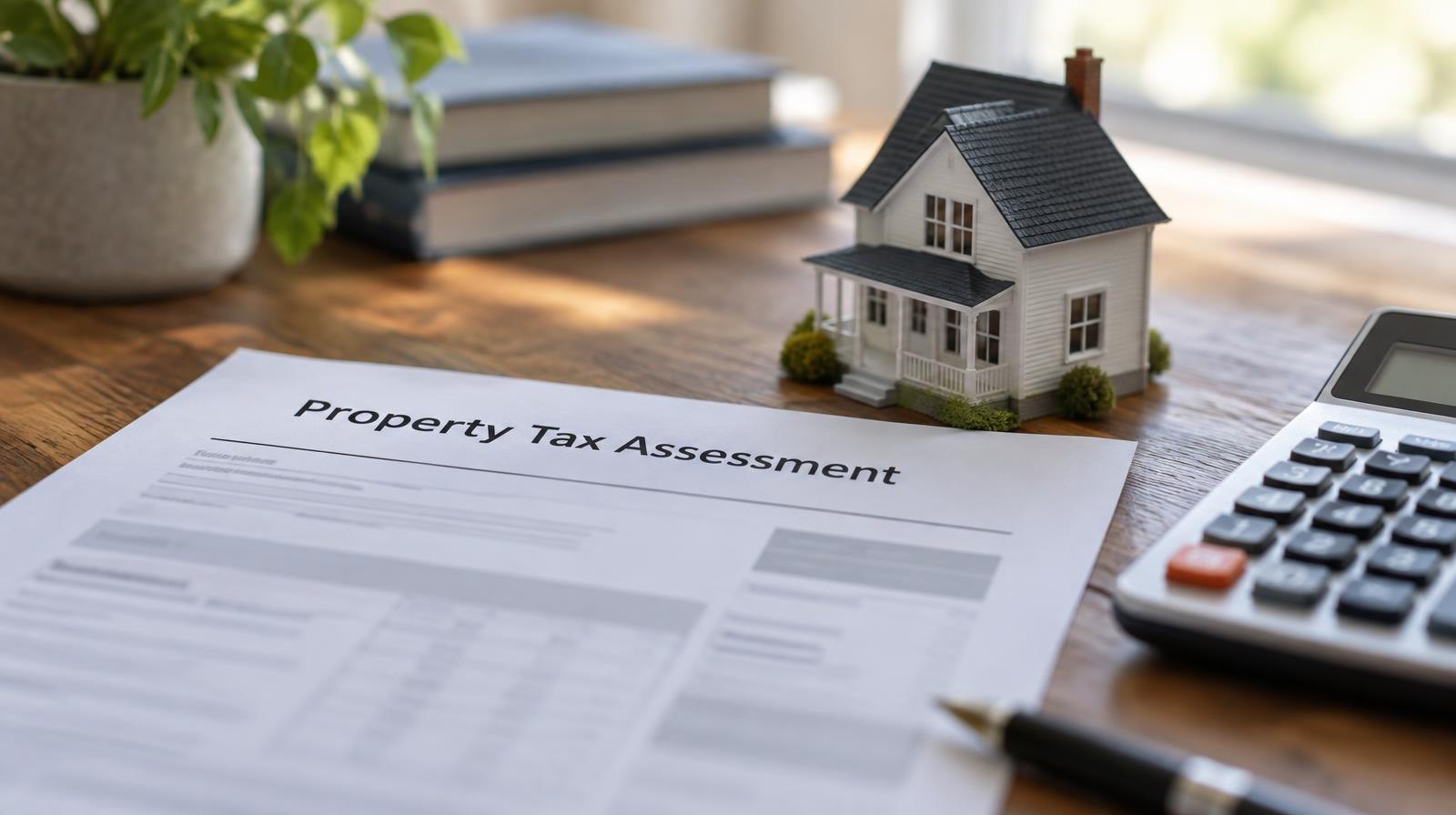
Florida voters approved Amendment 3, according to The Associated Press. Unofficial Florida Election Watch returns checked Nov. 4 showed 4,917,482 yes votes, or 61.99%, clearing the 60% threshold. The measure raises the homestead exemption for non-school property taxes and lowers the annual assessment cap on non-homestead property.
The measure raises the homestead property tax exemption on primary residences from $50,000 to $150,000 in 2027 and $250,000 in 2028, according to The Real Deal. It also cuts the annual assessment cap on non-homestead properties, including commercial real estate and second homes, from 10% to 5%. School district property taxes are not affected.
The amendment needed 60% to pass. As of 10:25 p.m. on election night, 62% of voters were in favor, The Real Deal reported.
What it means locally
For Aventura, Sunny Isles Beach and Golden Beach, the math looks different than it does for bedroom communities built on single-family homesteads.
Aventura levied $24.5 million in property taxes in fiscal year 2025-2026, with just 23.5% coming from homestead residences, according to Florida Department of Revenue data published by the Biscayne Times. Sunny Isles Beach collected $32.7 million, with only 16.1% from homestead properties. Golden Beach brought in $16.3 million, with 41.6% tied to homesteads.
Those figures matter because the amendment's biggest tax cuts flow to homestead properties. Cities that draw most of their revenue from non-homestead sources face a smaller direct hit to their budgets but could still feel pressure from the lower 5% assessment cap on commercial and investment properties.
Golden Beach, with the highest homestead share among the three cities, stands to lose the largest slice of its tax base proportionally.
Statewide budget concerns
The Florida Policy Institute estimated the amendment could reduce local revenues statewide by nearly $12 billion on a recurring basis, the Biscayne Times reported. For Miami-Dade County, that translates to at least $1.41 billion in recurring annual losses, the largest sum of any of Florida's 67 counties.
The South Florida Business Journal reported that Florida TaxWatch projected $45.8 billion in cuts to local governments over five years. Miami-Dade County alone could lose $696.7 million in tax revenue by October 2028, according to that estimate.
To cover shortfalls, local government leaders said cities and counties could raise millage rates or add new fees, The Real Deal reported.
Renters and the condo corridor
The amendment does not apply to renters. Esteban Santis, the Florida Policy Institute's research director, wrote in an email to the Biscayne Times that "Amendment 3 does not offer targeted tax relief to people who need it the most." He noted that 905,000 low-income renters in Florida are excluded.
If municipalities raise millage rates to offset lost revenue, residential landlords would face pressure to pass those costs along, the Biscayne Times reported.
Nicole Fox, an analyst with the Tax Foundation, a Washington-based think tank, told the Miami Herald that the amendment would significantly reduce the state's property tax base. "When a significant portion of the property tax base gets eliminated, the burden then gets shifted onto those that remain," Fox said.
Developer Michael Tillman said before the vote that renters would be left out. "What we're seeing in the data are the people who are the most cost-burdened, they're excluded from the relief this would provide," Tillman said, according to The Real Deal.
Who qualifies and when
The amendment takes effect Jan. 1, 2027. Florida residents living in the state before Dec. 31, 2026, qualify immediately for the higher exemption. Anyone who moves to Florida after that date must wait five years. Some legal experts have questioned whether that residency distinction is constitutional, the Biscayne Times reported.
Gay Cororaton, chief economist for the Miami Association of Realtors, told the Biscayne Times the measure will most benefit property owners with home values between $250,000 and $500,000.
What comes next
Gov. Ron DeSantis is expected to call state legislators back to Tallahassee for a special session to draft implementing legislation, El Nuevo Herald reported. Byron Donalds, who won the governor's race on Nov. 3, will inherit the issue when he takes office.
State Rep. Chip LaMarca, a Republican whose district includes part of Broward County, called the amendment "not perfect" but a starting point at an industry panel hosted by Master Brokers Forum before the election, according to The Real Deal. LaMarca said property taxes would remain "front and center" regardless of the outcome.