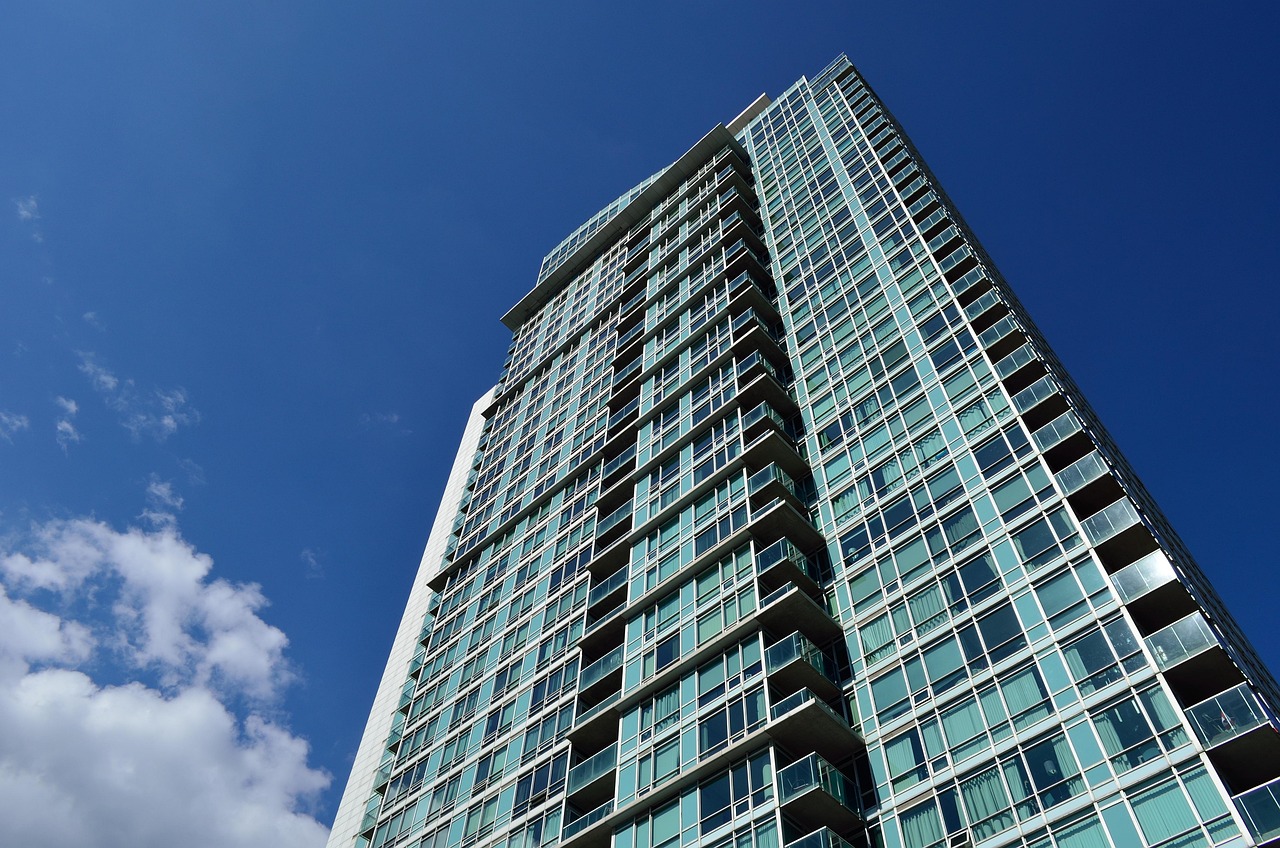
Condo buyers across South Florida, including in Aventura's many large towers, face longer closings and higher interest rates after Fannie Mae and Freddie Mac eliminated a shortcut that lenders had used to approve conventional mortgages.
The two agencies retired their limited and streamlined review processes on Aug. 3, The Real Deal reported. All conventional condo mortgages now require a full financial review of the building's association unless the project qualifies for a waiver. Projects of 10 units or fewer may qualify, according to Fannie Mae's updated selling guide, though projects of five to 10 units are disqualified if they're part of a larger development or master association.
Most large Aventura towers won't qualify for waiver
Because the waiver mainly benefits standalone buildings of 10 units or fewer, most Aventura condo towers — typically far larger and often part of master-planned communities — fall outside its scope and will need the full review.
Forty percent of condos nationwide used the limited review process last year, according to The Real Deal. Florida has the highest concentration of condos in the country, and many buildings lack professional management, the outlet reported.
Melissa Cohn, regional vice president of William Raveis Mortgage in South Florida, told The Real Deal the change has been painful for brokers and buyers alike.
"It feels like you're having your wisdom teeth pulled out," Cohn said.
Buyers pushed toward non-QM lenders, higher rates
Deals are still closing, she said, but the cost is climbing. When buildings fail to meet Fannie Mae or Freddie Mac reserve and budget thresholds under the full review, buyers get pushed to non-qualified mortgage (non-QM) lenders that charge higher rates. Brokers are now submitting applications to both traditional and non-QM lenders at the same time, effectively doubling their workload.
Reserve funding requirements set to tighten again
Fannie Mae also tightened how lenders verify reserves. Buildings must now budget using the highest recommended reserve allocations. Lenders can no longer rely on a baseline funding method that historically let reserve balances approach zero.
Another deadline looms. For loan applications dated on or after Jan. 4, Fannie Mae will raise the minimum reserve contribution for condo associations to 15% from 10%. Cohn told The Real Deal that many buildings lack the financial capacity to meet that threshold.
Sales slowdown adds to financing pressure
The broader market data underscores the pressure. Miami condo median sale prices fell 1.48% year-over-year in July to $400,000, and condo dollar volume dropped 8.45% to $707 million, according to a MIAMI Realtors press release. The median time from listing to contract stretched to 86 days, up from 65 days a year earlier. Cash buyers accounted for 47.5% of all Miami condo sales in July.
Of the 2,397 condo buildings in Miami-Dade, Broward and Palm Beach counties, only 21 are approved for Federal Housing Administration (FHA) loans, MIAMI Realtors reported, citing federal housing data.
Well-managed buildings expected to gain an edge
MIAMI Realtors Chairman Alfredo Pujol said in August that well-managed buildings with strong reserves are outperforming the broader market. Cohn predicted the new rules will widen that gap, telling The Real Deal that compliant buildings will command a price premium over those that can no longer secure conventional financing.
The Jan. 4 reserve increase is the next deadline for associations that want their buildings to remain eligible for Fannie Mae-backed loans.




.jpg)