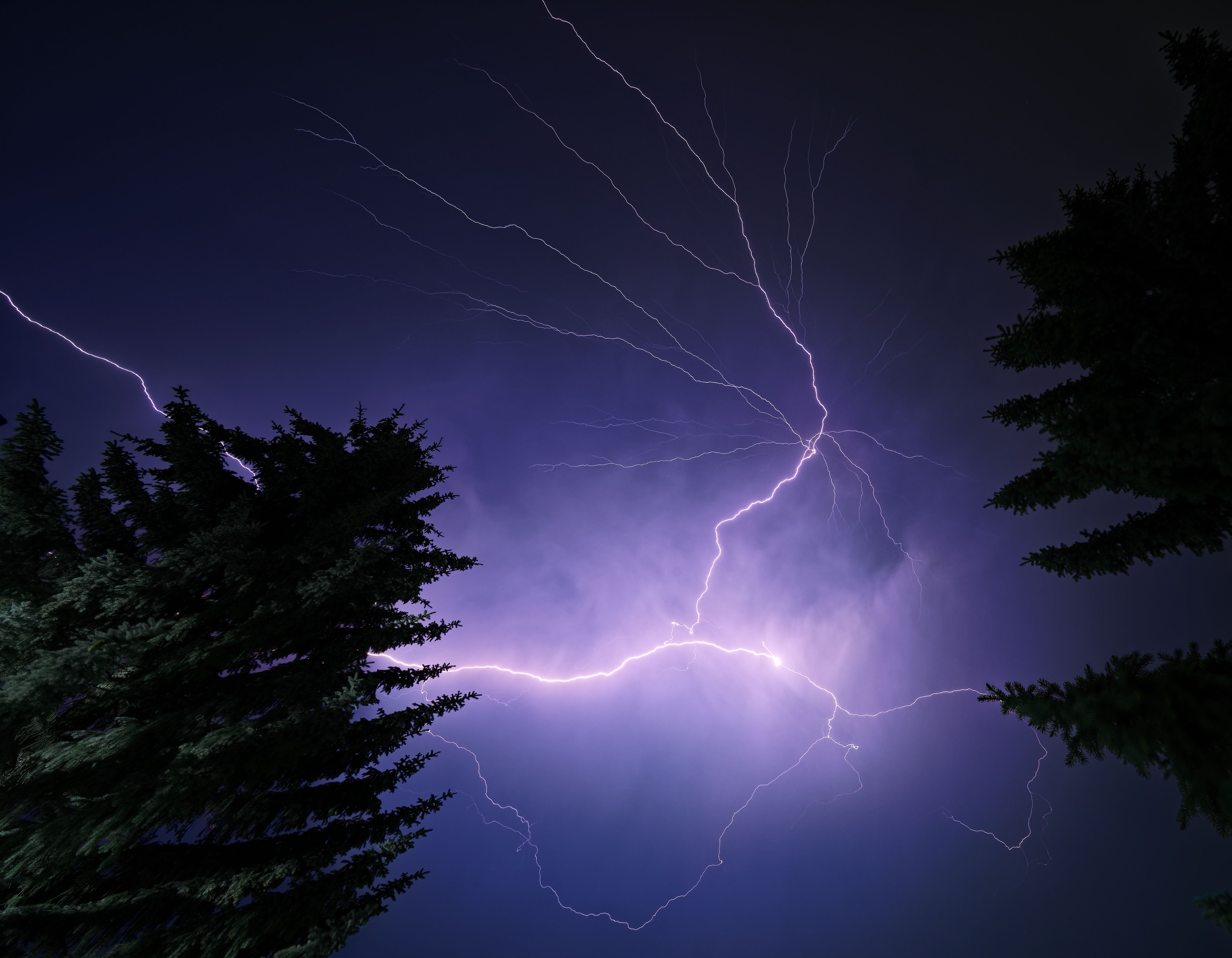
Lightning near Miami has surged up to 525% above the 10-year average since July, and six people have died from strikes across Florida in 2026.
Lightning activity far outpaces decade average
The numbers come from Chris Vagasky, a lightning data specialist with the National Lightning Safety Council, who spoke to the Miami Herald for a Sept. 17 report. Compared to the 2016-2025 average, lightning within about 15 miles of Miami jumped 288% in July, 193% in August and 525% in the first half of September. That 15-mile radius includes Aventura, Sunny Isles Beach and Golden Beach.
"It's not anybody's imagination," Vagasky told the Herald. "There is a lot more lightning going on than there has been in recent years."
Quiet spring gave way to sudden reversal
The surge followed a quiet start to the rainy season. May and June ran 40% to 60% below average for lightning in the Miami area, according to Vagasky. Then conditions reversed sharply in July.
Florida leads the nation in lightning deaths
Florida leads the nation in lightning deaths this year with six, according to the Herald's report. The National Weather Service listed 15 total U.S. lightning fatalities in 2026 as of Sept. 14.
Recent strikes have hit close to home
The toll hit close to home. Kenya Glasgow, 31, and her 2-year-old daughter were killed by a lightning strike in Margate on Aug. 23. A Florida Keys charter fishing captain was injured when his boat was struck on Aug. 20. Miami-Dade Sheriff's Office Sgt. Paul Villaverde was injured Sept. 3 after lightning struck his vehicle near the Miami-Dade Fire Rescue Training Center at 9300 NW 41st St. in Doral about 5:15 p.m., according to Local 10. Villaverde was transported to HCA Florida Kendall Hospital in stable condition, left within 24 hours and has returned to work, the Herald reported.
Warmer air may be fueling the spike
Vagasky said atmospheric instability may be driving the spike. He said warmer conditions allow more particle collisions inside thunderclouds, increasing electrification. But he cautioned that pinning down the exact cause is difficult because multiple factors could be involved.
Storms expected to persist into fall, winter
National Weather Service forecaster Nico Porcelli said thunderstorms remain likely through Tuesday, Sept. 22. Vagasky said El Niño conditions could keep storm activity elevated into fall and winter, and Porcelli agreed that winter months in particular could see more thunderstorms than usual.
Experts urge caution as storm season continues
Over the last 30 years, South Florida has averaged about two lightning deaths and eight injuries per year, according to Ana Torres-Vazquez, lead meteorologist at the NWS South Florida office.
Torres-Vazquez advises going indoors at the first sound of thunder and waiting at least 30 minutes after the last clap before heading back outside. Lightning can strike 10 to 15 miles from a storm. Standing under a tree is the second-leading cause of lightning casualties nationwide, according to the NWS.




.jpg)