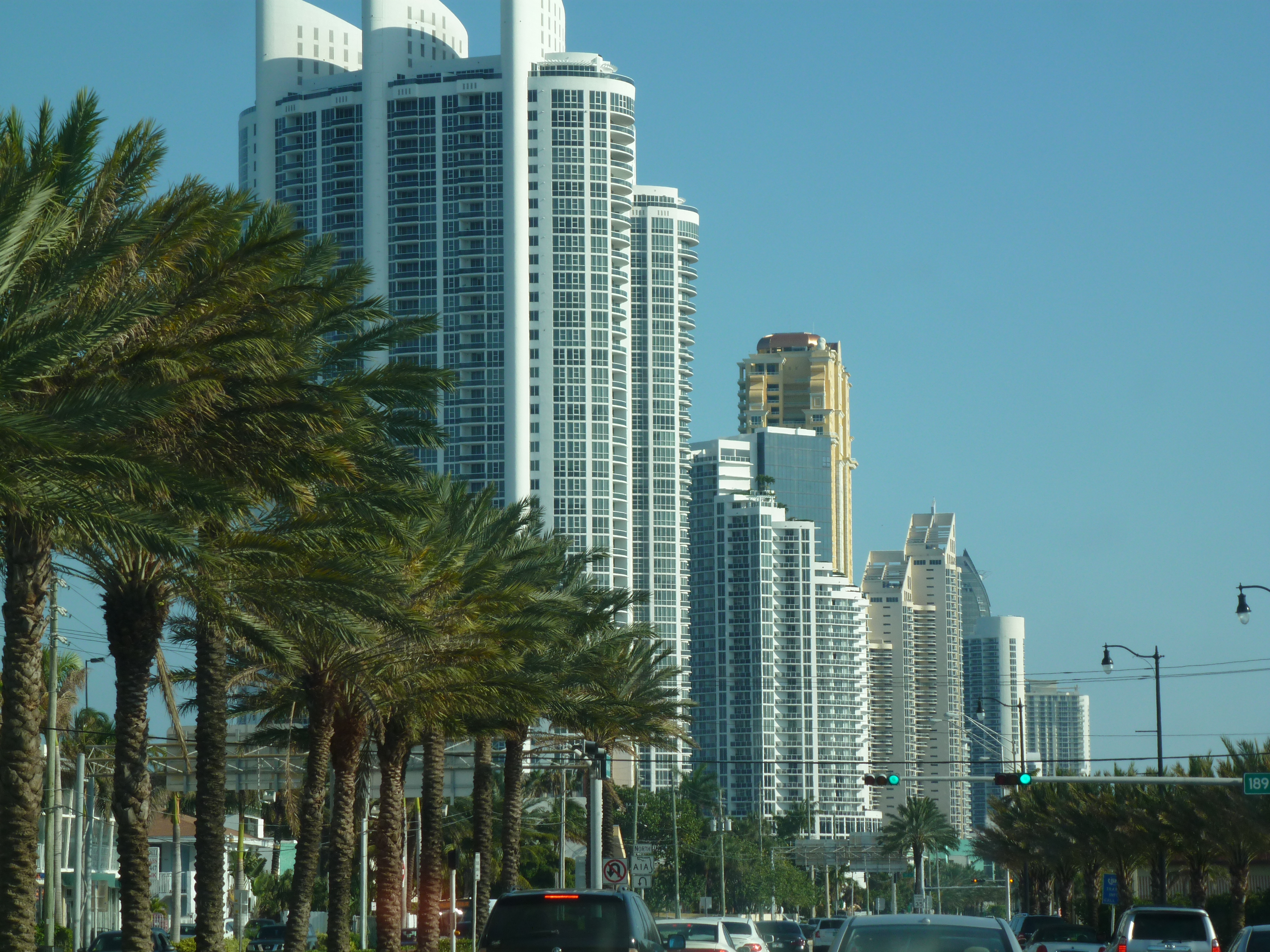
Condo owners in Aventura, Sunny Isles Beach and Golden Beach finally have some good news: the broader Miami-Dade condo market is recovering after years of turmoil triggered by Florida's post-Surfside building safety laws.
Existing condo sales across Miami-Dade rose 11.4% year-over-year in July 2026, climbing from 921 to 1,026 transactions, according to the Miami Association of Realtors' monthly report released Aug. 17. More notably for this condo-dense corridor, inventory fell 11.79% over the same period, dropping from 12,838 to 11,324 active listings. That marks six straight months of declining inventory, the first sustained drop since sweeping reserve laws passed in 2022 flooded the market with units from owners who couldn't afford new costs.
Sales were strongest in the $400,000 to $500,000 range, up 12.6% year-over-year, a price tier that tracks closely with much of the Aventura and Sunny Isles Beach condo stock.
Still a buyer's market despite the rebound
The rebound comes with caveats. Miami-Dade still carries 12 months of condo supply, well above the six-to-nine-month range considered balanced. The median sale price actually dipped 1.48%, from $406,000 to $400,000. Condos are sitting longer, too: the median time from listing to contract stretched to 86 days in July, up from 65 days a year earlier. Buyers are negotiating below asking, with the median sale landing at 93% of original list price.
"Well-managed condo buildings with strong reserves are performing particularly well, and that's another sign of the strength of this market," Miami Association of Realtors Chairman Alfredo Pujol said in the Aug. 17 report.
Reserve-law costs still loom over Aventura owners
For Aventura owners specifically, the financial pressure hasn't disappeared. As of Jan. 1, 2026, condo associations can no longer waive or reduce funding for structural reserve components identified in a Structural Integrity Reserve Study. At Mediterranean Village in Aventura, special assessments have reached as high as $400,000 per unit, according to industry compliance reports. Across South Florida, 696 condo buildings have been blacklisted from conventional mortgages due to noncompliance with reserve and inspection requirements, according to CondoBlacklist.com data cited in compliance guides.
Financing remains a hurdle for buyers. Cash sales accounted for 47.5% of all Miami-Dade condo transactions in July. Only 21 of the 2,397 condo buildings in Miami-Dade, Broward and Palm Beach counties are approved for FHA loans. Fannie Mae and Freddie Mac eliminated the limited review option for many condo loans on Aug. 3, tightening conventional lending further.
How lawmakers and Miami-Dade are easing reserve costs
Florida lawmakers provided some breathing room last year. House Bill 913 (HB 913), signed into law July 1, 2025, allows associations to use loans and lines of credit to fund reserves instead of demanding lump sums, and introduced a two-year pause on contributions for associations actively completing repairs.
Miami-Dade County Mayor Daniella Levine Cava announced June 22 the relaunch of the county's Condominium Special Assessment Loan Program with $15 million in zero-interest loans of up to $50,000 per income-qualified owner-occupant.
Aventura building official Keven Klopp told Local 10 in July that despite a state report flagging 19 Aventura buildings, every inspected building in the city is safe to occupy. "In Aventura, we do not have the number of concerning issues as the report seems to imply there are," Klopp said, adding that flagged buildings have submitted repair plans and timelines.
What could sustain the recovery
The Miami Herald reported Tuesday that the recovery aligns with demographic shifts: the average salary of workers relocating to Miami-Dade from out of state was $140,000 last year, and the metro gained $3.6 billion in wages from net job migration. That influx of higher earners could sustain condo demand even as reserve costs keep some older buildings under financial strain.


.jpg)