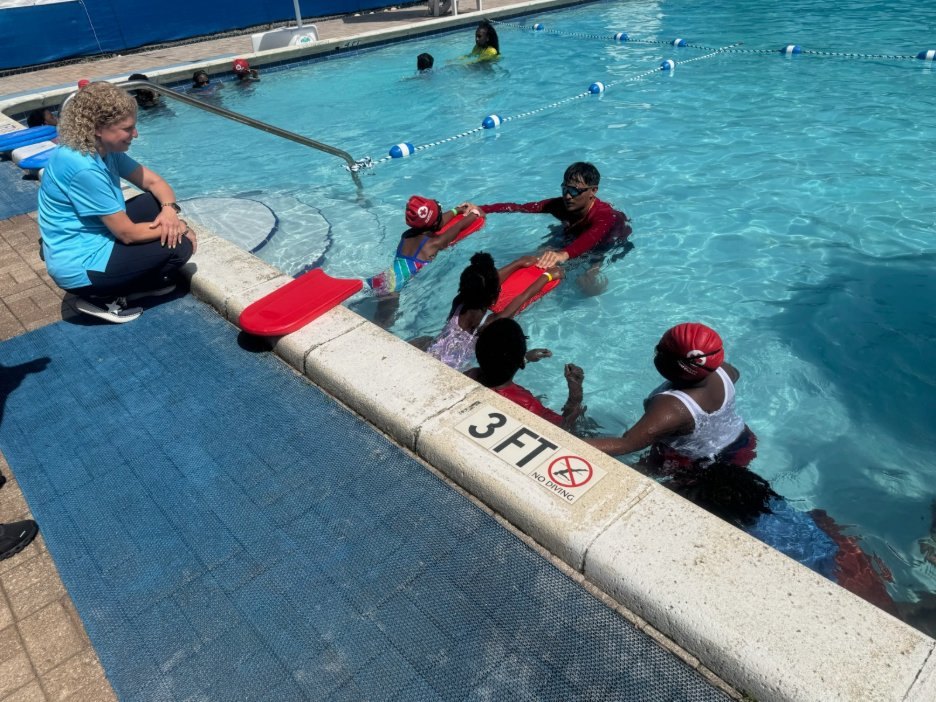
Florida recorded 119 child drowning deaths in 2025, the state's deadliest year on record. U.S. Rep. Debbie Wasserman Schultz announced Wednesday that she has secured more than $30 million in federal funding for drowning prevention.
Wasserman Schultz, a Democrat representing Florida's 25th Congressional District, posted the figures on X and called drowning "a public health crisis." She said the state is on pace to exceed the 2025 toll this year.
Death toll climbed 83% over five years
According to Florida Department of Children and Families data cited by the Tampa Bay Times, 65 children drowned in 2020 and 106 in 2024. By late November 2025, the count stood at 110. The final year-end total of 119 represents an 83% increase over five years.
Federal cuts hit CDC prevention team last year
The crisis deepened as federal resources shrank. The Trump administration terminated the CDC's drowning prevention team in August 2025 and proposed eliminating the program in its 2026 fiscal year budget. That team had a $2 million annual budget and three health scientists who partnered with the YMCA, the Red Cross and the National Center for Fatality Review and Prevention.
July marks the nation's deadliest month for drownings
July is the deadliest month for drownings nationally, according to USA Today. Nearly 70% of drownings involving young children happen during non-swim times, when no one expects a child to be near the water and supervision is relaxed. Drowning is the No. 1 killer of children ages 1 to 4 in the United States, according to the CDC.
About a quarter of Florida's child drowning deaths involve children with autism, who tend to wander and are drawn to water, the Tampa Bay Times reported.
For residents of Aventura, Sunny Isles Beach and Golden Beach, the risk factors are geographic: backyard pools, the Intracoastal Waterway, canals and open ocean access. No local drowning data for 2025 or 2026 has been released by area police departments or Miami-Dade Fire Rescue.
Pre-2000 homes face no pool-safety requirements
A state policy gap compounds the problem. Florida's Residential Swimming Pool Safety Act of 2000 requires new homes with pools to have a gate, fence, screened enclosure or alarm system. Homes with pools built before 2000 face no such requirement. State Sen. Carlos Guillermo Smith, D-Orlando, introduced legislation in 2025 to close that loophole, telling the Tampa Bay Times: "There's a crisis in our state. We know that these drownings are preventable."
Pediatricians urge fencing, life jackets and swim lessons
The American Academy of Pediatrics recommends pools be fully fenced with self-closing, self-latching gates, and that children who aren't strong swimmers wear U.S. Coast Guard-approved life jackets near any body of water. Teaching a child to swim reduces their drowning risk by up to 88%, according to a study cited by the National Drowning Prevention Alliance.




.jpg)