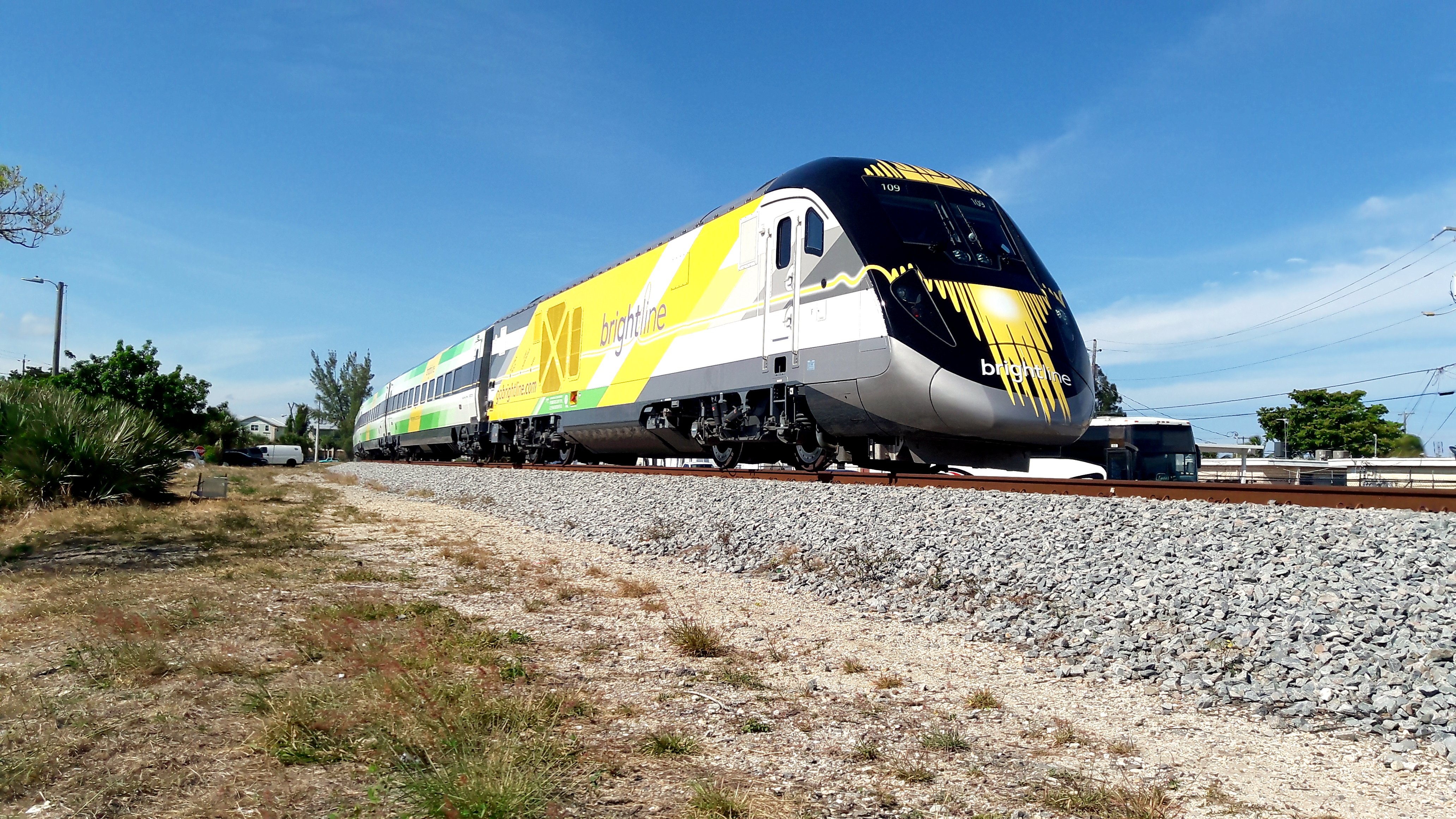
A planned commuter rail line through Aventura still needs billions of dollars in additional funding, according to a memo from Mayor Daniella Levine Cava's administration outlining a financial shortfall facing the county's long-planned transit expansion.
The Northeast Corridor, a 13.5-mile rail project that would add five stations and use the existing Brightline Aventura station as a stop, is one of five SMART Plan corridors facing a combined $7.6 billion funding gap through fiscal year 2045.
The memo, sent to county commissioners May 22, says none of the remaining rail corridors can move forward without identifying new local funding sources. The funding memo was prepared in response to a December 2025 resolution sponsored by Commissioner Oliver G. Gilbert III directing the administration to identify funding options. Miami-Dade County's fiscal year 2027 budget discussions are underway.
"This fiscal challenge has been intensified by historic inflationary pressures in construction and labor markets, alongside a significant contraction in state support," Levine Cava wrote in the memo.
The Northeast Corridor alone carries an estimated $904 million price tag. The project reached 30% design completion in 2024 and received Federal Transit Administration approval to enter the engineering phase in October 2024. But the 2025 Florida Legislative Session eliminated the state's New Starts Transit Program, removing $200 million in previously committed state funding.
Aventura line depends on local funding match
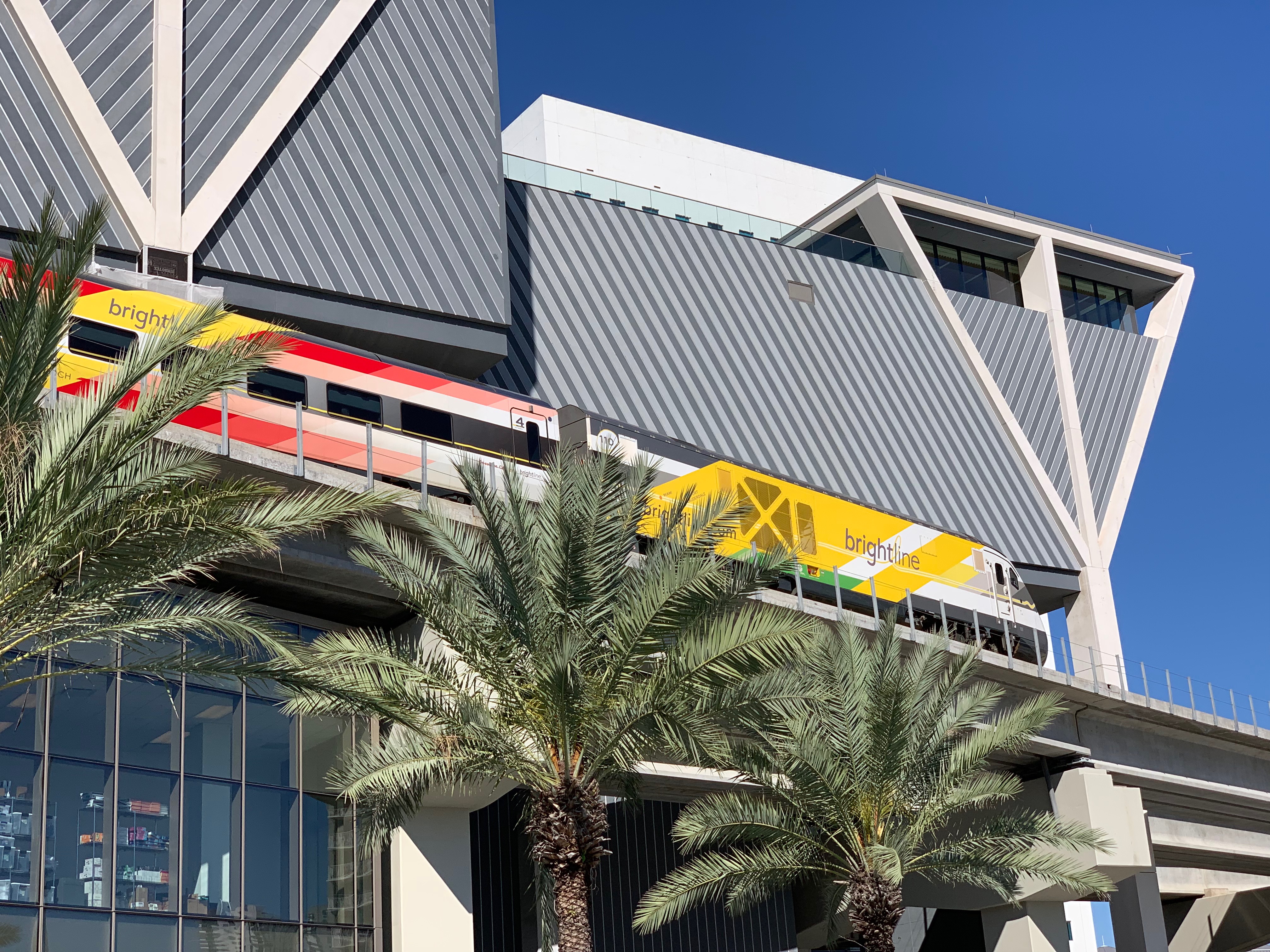
The Northeast Corridor would follow the existing Florida East Coast Railway tracks used by Brightline and Tri-Rail, connecting MiamiCentral in downtown Miami to the Aventura station with new stops in Wynwood, the Design District, Little Haiti, North Miami and FIU North Campus.
The memo identifies an anticipated $390 million federal contribution through the Federal Transit Administration's Capital Investment Grants program. However, the county must provide a local funding match before those federal dollars can be awarded.
The memo also cites ongoing legal disputes between Florida East Coast Railway and Brightline over track access as another source of uncertainty for the project.
County outlines potential funding options
The memo presents three potential approaches to closing the funding gap, each relying on voter approval. The options include a half-cent sales tax paired with general obligation bonds, a half-cent sales tax combined with a dedicated transit property tax, or general obligation bonds paired with a dedicated transit millage.
According to the memo, the proposed half-cent sales tax would cost an individual taxpayer about $9 per month.
Meanwhile, Miami-Dade County continues borrowing against its existing half-cent transportation surtax. An ordinance sponsored by Commission Chairman Anthony Rodriguez on June 16 authorized up to $350 million in additional transit surtax bonds. As of June 1, the county had $2.03 billion in outstanding transit bonds from approximately $2.5 billionissued since 2005.
Only one SMART Plan corridor has opened
Miami-Dade launched the Strategic Miami Area Rapid Transit, or SMART, Plan in 2016 with six major transit corridors.
A decade later, only one has opened: the South Corridor's Metro Express bus rapid transit line, which began service Oct. 27, 2025, between Dadeland South and Florida City. County officials reported a 96% increase in express bus boardings during its first 30 days of operation.
The proposed North Corridor Metrorail extension along Northwest 27th Avenue carries an estimated $4.2 billion price tag, while the Beach Corridor, also known as Baylink, is estimated to cost $2 billion.
No vote on the future of the SMART Plan has been scheduled.




.jpg)