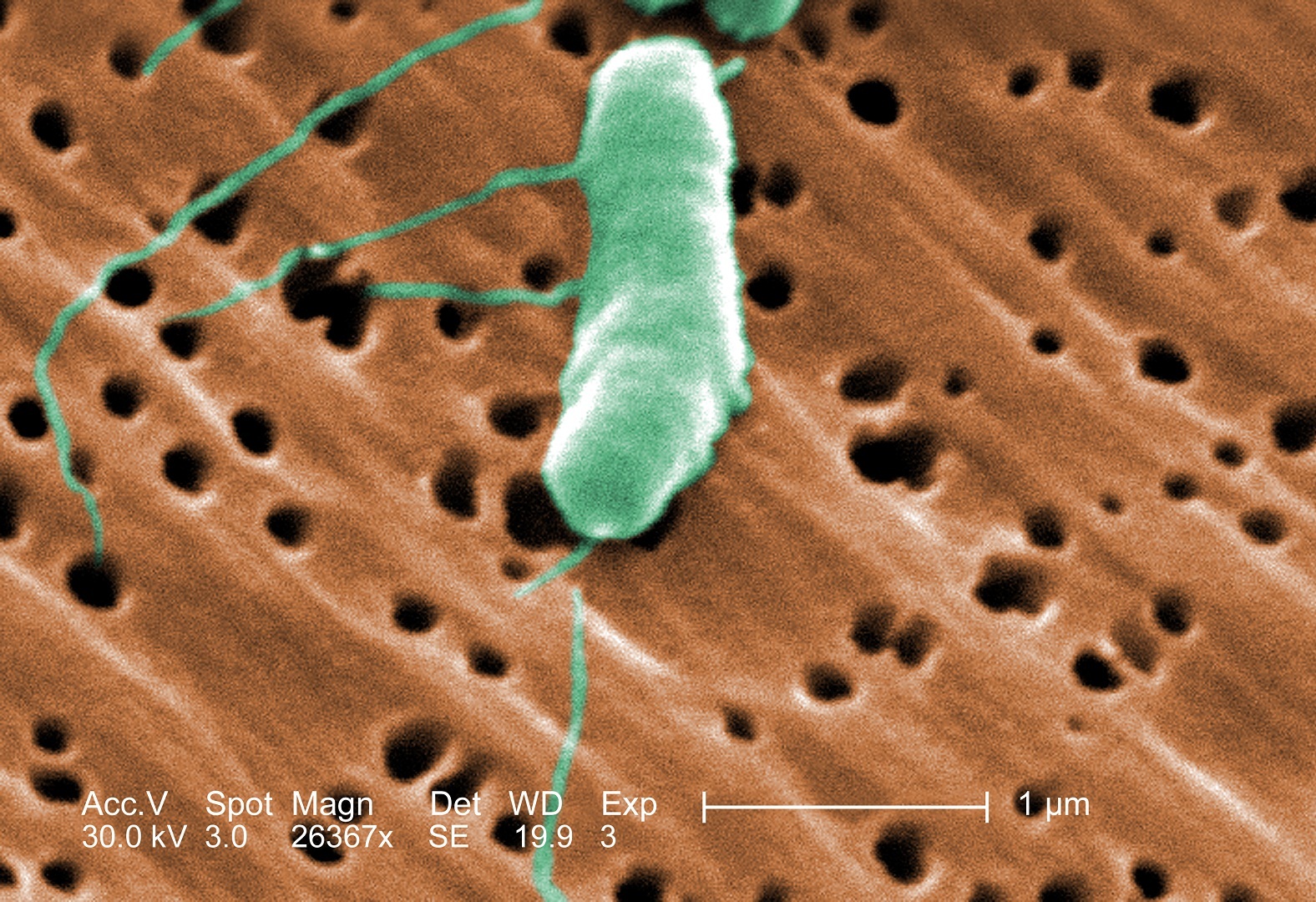
Miami-Dade County has recorded two confirmed cases of Vibrio vulnificus, the potentially deadly "flesh-eating bacteria," as Florida's high-risk infection season continues through September.
The two local cases are among 14 confirmed statewide in 2026, including two deaths, according to Florida Department of Health data updated Thursday, Aug. 6. No deaths have been reported in Miami-Dade. The county had zero cases in both 2024 and 2025.
The bacteria occurs naturally in warm, brackish coastal waters along Florida's Atlantic and Gulf coastlines, including waters off Aventura, Sunny Isles Beach and Golden Beach. Infections are most common from June through September.
How it spreads
Two routes account for most infections: eating raw or undercooked shellfish, especially oysters, and exposing an open wound to warm salt or brackish water. Wounds include cuts, scrapes, recent surgical sites, new piercings and fresh tattoos.
About one in five people infected with Vibrio vulnificus die, sometimes within a day or two of becoming ill, according to the CDC. Bloodstream infections are fatal in roughly half of cases.
Who is most at risk
People 60 and older, those with chronic liver disease, kidney disease, diabetes, cancer, HIV or weakened immune systems face the greatest danger. The FDOH notes that people with these conditions are 80 times more likely to develop a Vibrio vulnificus bloodstream infection than healthy individuals.
Florida's second death this year involved a Marion County resident between 60 and 64 years old, according to WESH. The first, in Palm Beach County, involved a person between 80 and 84, according to FDOH data.
What to watch for
Symptoms depend on how the infection enters the body. Wound infections cause fever, redness, pain, swelling and discoloration. Gastrointestinal infections bring watery diarrhea, stomach cramping, nausea, vomiting and fever. Bloodstream infections can cause dangerously low blood pressure and blistering skin lesions. Severe cases may require emergency surgery or limb amputation.
How to protect yourself
The CDC recommends:
- Do not eat raw or undercooked oysters or other shellfish.
- Stay out of saltwater or brackish water if you have any open wound.
- Cover wounds with a waterproof bandage before any contact with coastal water.
- Wash wounds thoroughly with soap and water after contact with salt water, marine life or raw seafood.
The FDOH additionally advises immunocompromised individuals to wear proper foot protection on beaches to prevent cuts from rocks and shells.
Statewide context
Florida recorded 33 cases and five deaths from Vibrio vulnificus in 2025. The 2024 count was far higher at 82 cases and 19 deaths, driven by Hurricane Helene's storm surge pushing brackish water inland along Gulf Coast counties. No major storms have affected Florida's coast so far in 2026.
The FDOH data does not specify where within Miami-Dade the two local cases contracted the infection. The Florida Department of Health in Miami-Dade County did not respond to inquiries about the cases.
Residents who suspect a food or waterborne illness can contact the Florida Department of Health in Miami-Dade County at miamidade.floridahealth.gov.



.jpg)