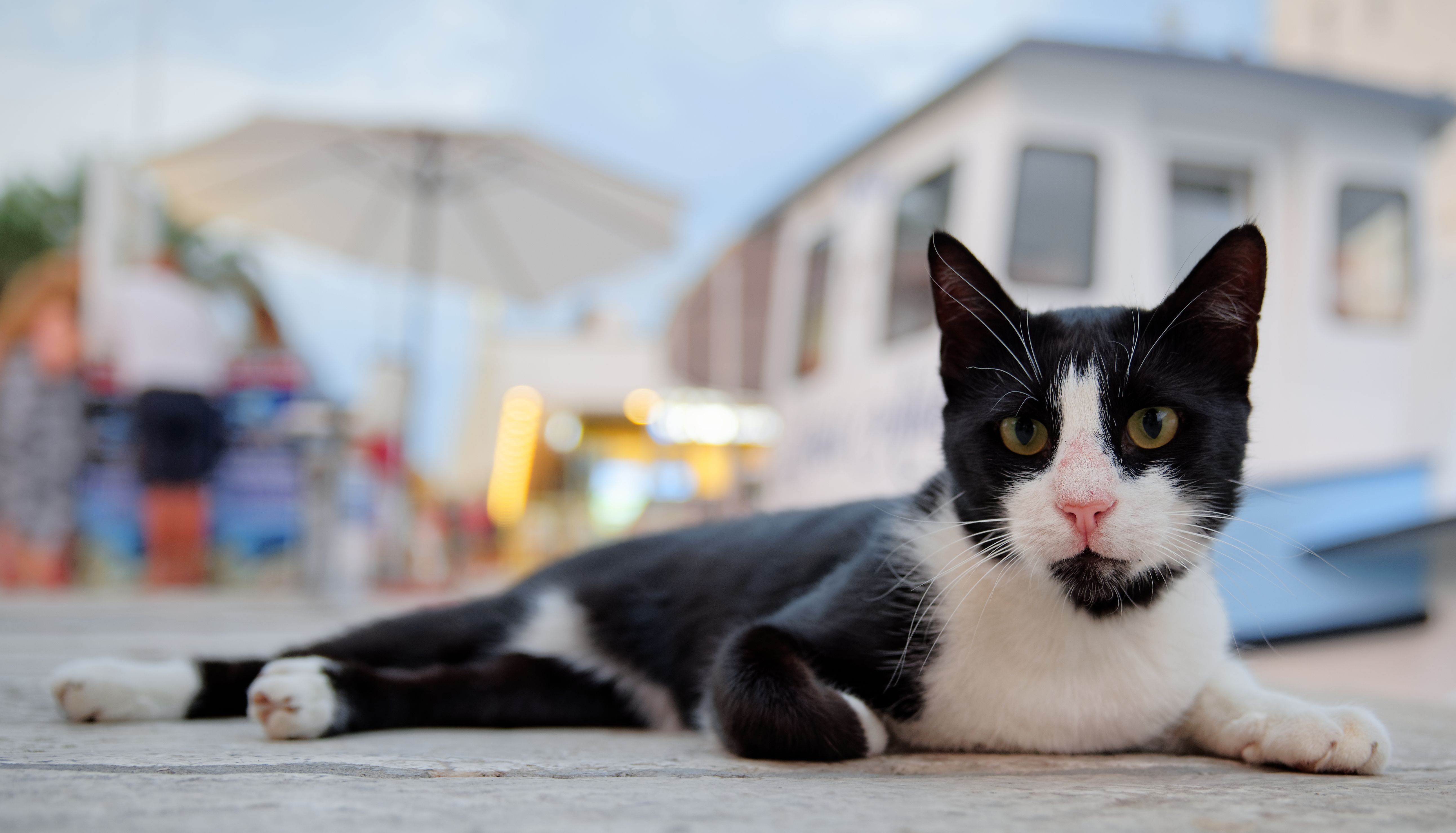
A Miami-Dade County ordinance adopted in 2025 restricts feeding feral cats on commercial and public property, giving condominium and homeowners association boards across the county new legal backing to enforce their own rules against residents who feed strays.
The ordinance also lets each municipality in the county adopt even stricter regulations, as first reported by the Miami Herald. That includes Aventura and Sunny Isles Beach, where high-rise condo communities line the Intracoastal Waterway and oceanfront. The county frames feral cat feeding as a public health and nuisance concern, citing property damage, odor, noise and the spread of disease.
What boards can do to stop feeding
Michael L. Hyman, a Coral Gables attorney board-certified in community association law by the Florida Bar, laid out the enforcement options in a Herald column published Wednesday. Boards can start with violation notices and cease-and-desist letters, then move to an enforcement committee hearing.
Fines are capped under Florida law at $100 per violation and $1,000 total. But losing pool, fitness center or pickleball court access can matter more to residents than a fine, Hyman wrote.
Cameras, trappers and lawsuits as last resorts
Associations can also install cameras to document feeding violations and hire licensed trappers to humanely relocate feral cats. As a last resort, a board can file a lawsuit seeking a court-ordered injunction, and Hyman wrote that the association should be able to recover attorney fees if it prevails.
"For most communities, the other recommended courses of action involving fines, suspensions, TNR efforts and trapping/relocating the animals will hopefully solve the problem," Hyman wrote. "But if not, the issue may be left to the justice system."
Free trapping help and legal protections for cats
Neither Aventura nor Sunny Isles Beach has publicly announced adopting its own local feral cat ordinance. Hyman advised association representatives to contact their local animal services department to confirm whether a municipal ordinance authorizes trap-neuter-return programs, known as TNR, or other colony management.
Miami-Dade Animal Services offers a separate, free trap-neuter-vaccinate-return program, known as TNVR, for county residents, available seven days a week with no appointment, according to the Lakeland Gazette. Feral cats remain protected under Florida's animal cruelty statutes. Intentionally injuring or killing a cat is a first-degree misdemeanor or third-degree felony depending on severity and intent.
Residents dealing with feral cat issues on association property can reach Miami-Dade Animal Services at 311 to access the free TNVR program.




.jpg)