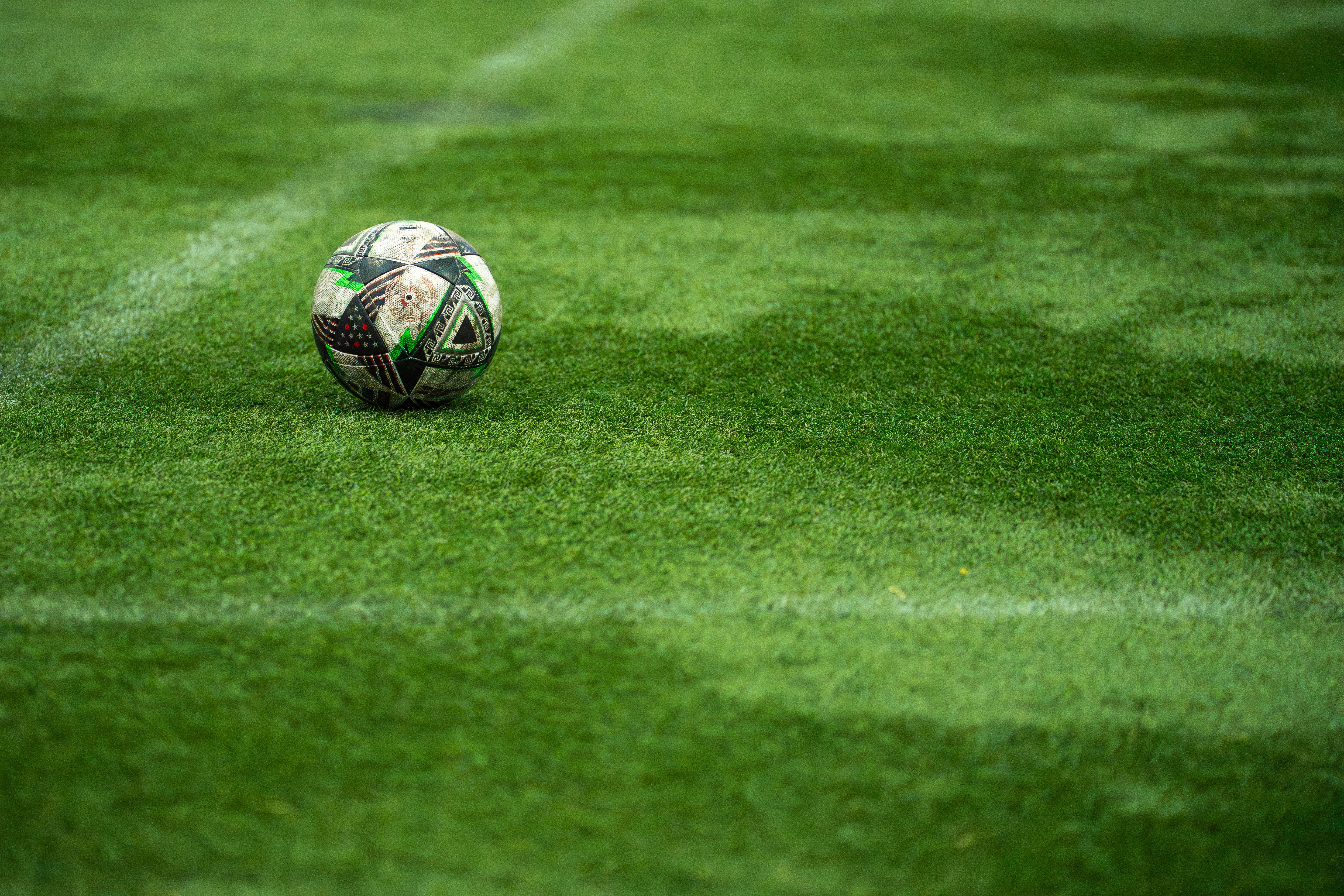
The Miami-Dade School Board has paused new artificial turf installations and will convene an advisory panel to decide whether synthetic fields are worth the health, environmental and financial tradeoffs, the Miami Herald reported Thursday, Aug. 6.
The district-wide review carries direct implications for Aventura-area families. Alonzo and Tracy Mourning Senior High's Sharks compete in football, soccer, flag football and track on the school's outdoor "Shark Tank" field. Don Soffer Aventura High, the tuition-free charter school provided by the City of Aventura, held fall sport tryouts Aug. 3–7 on its own field. Both schools' athletes train outdoors in South Florida heat for months each year.
The district has not disclosed which schools are under consideration for new turf or which of the nine board members, chaired by Mari Tere Rojas, initiated the review. No specific meeting date for the debate has been announced.
Heat is the headline concern
University of Florida assistant professor Marco Schiavon has measured artificial turf reaching temperatures as much as 100°F hotter than natural grass. In an August 2025 WLRN report, Schiavon said: "What surprised me was that artificial turf grass on stadiums was often, if not always, warmer than the parking lot right next to it."
A reporter measured artificial turf at Miami's Little Haiti Soccer Park at noon on July 29, 2025, at 121°F. After a rainstorm, the synthetic surface still hit 120°F while natural grass beside it registered 96°F.
Health concerns go beyond heat
Research from the Mount Sinai Institute for Exposomic Research has identified carcinogens including heavy metals, benzene and polycyclic aromatic hydrocarbons in turf infill made from recycled tires. PFAS "forever chemicals" have also been found in turf components.
A March 2024 study reported by The Guardian found that PFOS levels on athletes' skin more than doubled on one player after a soccer game on artificial turf, while levels decreased on participants who played on natural grass.
The NFL Players Association, U.S. Women's National Team Players' Association and U.S. National Soccer Team Players Association have all opposed artificial turf, citing increased musculoskeletal injuries.
Cost and environment
The district has argued, according to the Herald report, that artificial turf can be cheaper than maintaining natural grass over time. But industry estimates put installation of a single synthetic field at $250,000 to $600,000, and fields typically need full replacement every eight to 10 years. Most end up in landfills because adhesives make recycling impractical.
UF associate professor Jason Kruse has warned that synthetic surfaces reduce soil permeability, increasing stormwater runoff in a region already dealing with heavy rainfall and flooding pressure.
Community pushback already building
More than 100 students, parents and teachers called on the school board in July to stop installing artificial turf, citing heat as a primary concern.
The review comes as newly appointed Superintendent Rafael Villalobos, confirmed unanimously July 29, takes the helm of the 333,233-student district. Families can check dadeschools.net for the next regular board meeting date, where the advisory panel's work is expected to be discussed.
.jpg)