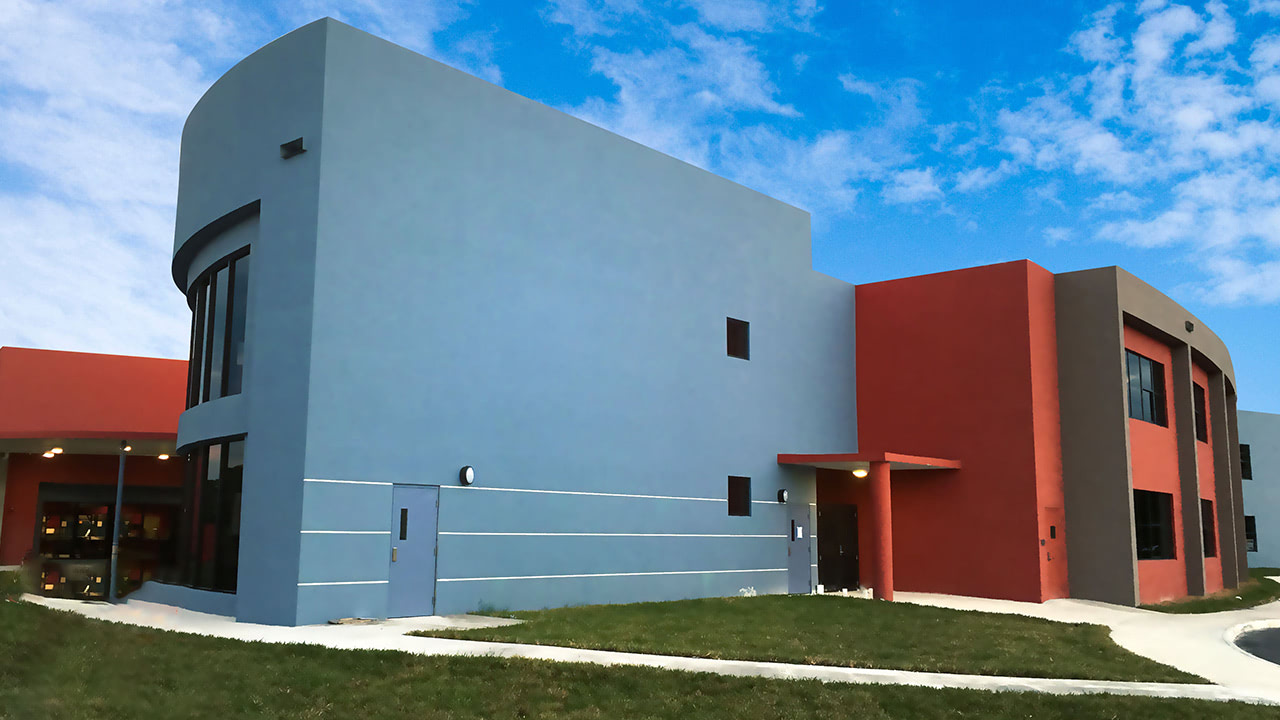
Aventura's two public schools are both charters, and a Florida law accelerating charter expansion across Miami-Dade could reshape how the district allocates resources to campuses like Aventura City of Excellence School and Don Soffer Aventura High School.
Under the state's expanded "Schools of Hope" program, approved charter operators can now claim space inside any public school building deemed underutilized. That matters locally because every dollar Miami-Dade spends accommodating co-locating operators is a dollar unavailable for the broader system that funds Aventura's schools.
The law's impact is already visible. Nine Miami-Dade schools closed or consolidated this summer, and the Miami Herald reported in June that almost all of them had received letters of intent from charter operators under the statute. Seven of the nine had majority-Black student populations, according to a Miami Herald editorial published Thursday, even though Black students make up only about 20% of enrollment in district-run schools. 22 of the district's 30 least-utilized campuses also sit in Black communities, putting them near the top of any future closure list.
How Schools of Hope opens district buildings to charters
Senate Bill 2510, signed in 2025, expanded a program originally created in 2017 to serve students near persistently low-performing schools. The new version allows approved operators to co-locate in any school with a facility utilization rate at or below 75%, or a surplus of 400 or more student stations. After SB 2510 passed, three designated operators (KIPP, Mater Academy and Success Academy) sent 690 building notices to more than 450 schools across 22 Florida districts, according to the Florida Policy Institute.
Districts must cover routine maintenance, custodial fees and transportation costs for co-locating operators. The Florida Board of Education revised the rules in February, allowing districts to charge operators for incremental costs, but critics say the financial burden on public schools remains significant.
Why ACES and Don Soffer are insulated for now
ACES reported zero available seats in every grade for 2026-27 as of April 10. Full enrollment insulates the school from co-location eligibility, but the district's financial trajectory still matters.
Miami-Dade entered the 2025-26 school year with 313,220 students, down roughly 13,000 from the prior year. Of those, 86,802 were charter students, representing about 27% of total enrollment, according to district data. From 2024-25 to 2025-26, the district lost 15,288 noncharter students while gaining only 428 charter students.
Incoming Superintendent Rafael Villalobos, unanimously selected by the school board on July 29, has signaled more closures ahead. In a Miami Herald interview published Thursday, Villalobos described a "tier two" of schools with 250 to 350 students but capacity for 1,000 or more.
"Those schools are not being efficient fiscally, so we've got to make sure we combine them," Villalobos told the Herald.
Lissette Fernandez, co-founder of the parent advocacy group Moms for Libros, told the Miami Herald that the closures hit the district's most vulnerable families hardest: "The state has underfunded public schools to the point where this district is closing the schools that serve children who have the least."
As we reported Aug. 3, none of the nine closures directly affect Aventura-area campuses. But the accelerating shift of students and dollars toward charter operators under state law could reshape future budget allocations for schools like ACES and Don Soffer Aventura High.
The school board's final 2026-27 budget adoption hearings are required under Florida law in September. Families can monitor the schedule at dadeschools.net.



.jpg)